Tag Archives: nutritional therapy

Medicine in My Cupboard – Lemons and Limes

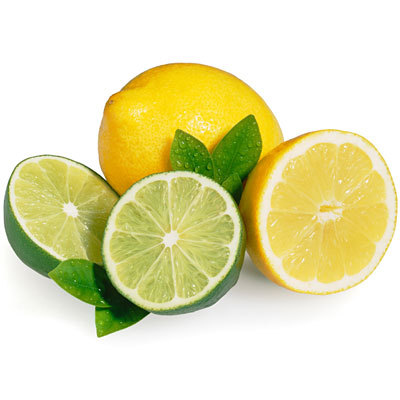
LEMONS AND LIMES

Sometimes I think that lemons (and limes) are understated! Not only are they great for winter colds and flu’s but also a wonderful summer time remedy too!

Did you know????

In traditional chinese medicine lemons (and limes) are said to have a cooling thermal nature. They have a sour, astringent flavour and are antiseptic. They are excellent for those who have lived on a high fat, protein diet and are now in need of some cleaning out.

Lemons destroy putrefactive bacteria in the intestine and mouth and can be used to purify the breath.

Their antiseptic, anti-microbial and mucus-resolving action make them useful during dysentery, colds, flu’s, coughs and parasite infestations. For colds and flu’s they are best used when symptoms first start to appear. They will shorted the duration and severity of a cold and will prevent the complications that can arise from these infections.

Lemons are excellent for the liver. They encourage the formation of bile, improve the absorption of minerals, promote weight loss and cleanse the blood. They also treat high blood pressure, thick, poorly circulating blood and weak blood vessels, so are excellent for heart health.

In the summer heat, lemons have a cooling effect, they calm the nerves and are useful for treating a sore throat, cramps and diabetes which are often marked by fluid deficiency.

Externally the juice of lemons can be applied to heal sores, they relieve the itching from insect bites when rubbed into the skin, and in a poultice they can be applied to reduce and soften corns. ONE drop of fresh juice combined with warm water makes a cleansing eye wash.

Limes tend to be grown less intensively than lemons so can be used instead of lemons.

The ACID content of lemons and limes is about 4 – 6 times higher than that of oranges so should not be used by those with too much stomach acid or ulcers.

In saying that however, many who suffer from heartburn or Gastroesophageal Reflux Disease (GERD) are often mistakenly said to have to much acid, when in fact they have too little (symptoms are almost identical), in which case lemons are useful! (Try it out and you’ll know quick enough!!).

Citric acid also thins the blood so should be used cautiously by those with weak blood signs such as a pale complexion and tongue, insomnia, irritability and thinness. These people also tend to feel cooler and weak (so need to focus on more warming foods).

For the very hot, fiery, robust person, red in the face in need of the properties of lemons, start with 1 – 3 lemons a day for a week, working up to 12 a day (some people need a lot of cleansing!!).

A great way to start the day is the juice of a lemon in water before breakfast. It flushes the system, stimulates the liver and helps you to feel fresh for the rest of the day.

If you have organic or VERY WELL WASHED lemons, use the rind.. which contains limonene a great cancer fighting substance. The rind also contains added vitamin B6, calcium, Vitamin C and is an excellent source of fibre!

USDA dietary guidelines are deceptive – C’mon?!? Give us a chance


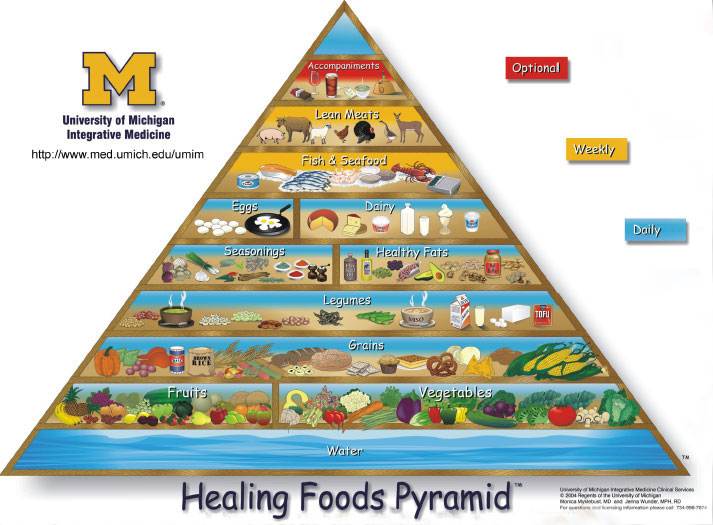
While working in Korea in the summer of 2008 I decided to do an art activity with my kids class. We learned all about the food pyramid. But I didn’t use just any food pyramid, I used the ‘healing food pyramid‘. It was a fun activity and hopefully some of the kids came away with a little more understanding of some of the healing food choices we can make. 

Today, while sifting though my email I was disturbed to read on one of my medical news subscriptions regarding the new USDA food pyramid and dietary guidelines, ‘Lawsuit says new USDA dietary guidelines are deceptive‘.  Reading though the article I let out a sign of disappointment as once again agribusiness gets a step up, while the general public have to struggle on with confusing and incorrect dietary advice. It seems that over and over again there is opportunity to really help people fight against diseases like cancer and diabetes, to name just a few, and yet we are constantly fed misinformation, making it much more difficult to make healthy food choices. 

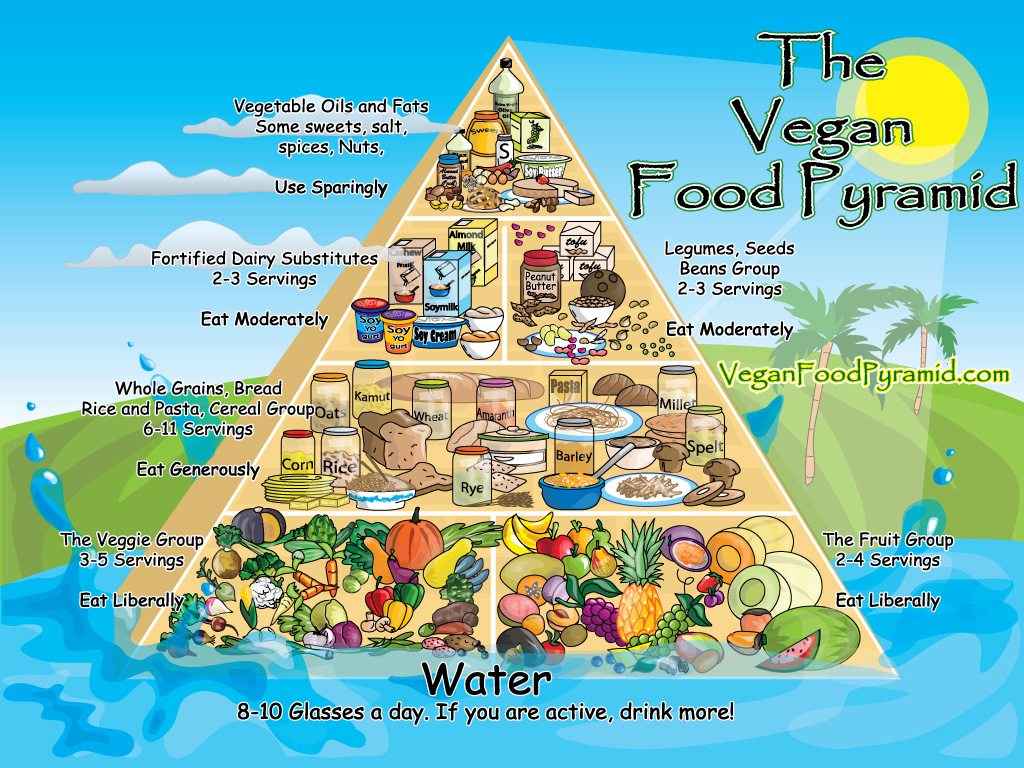
Though I don’t usually use food pyramids in clinic, they do have their uses. Below are two pyramids that I like and here’s why! 

The Michigan University Healing Foods Pyramid


1. It begins with WATER! Often a forgotten element in the diet. Some us live on coffee, tea, fizzy drinks or juice. The body needs pure WATER. 

2. The next level is fruit and vegetables. This pyramid makes it clear that fruit and vegetables are MORE important than grains. I feel it also conveys variety and abundance. 

3. Grains are not at the bottom of the pyramid, so they are not given undue emphasis. Grains are an important part of the diet, but not THE MOST important. Unfortunately this pyramid doesn’t specify that grains should be WHOLE grains. 

3. Legumes gets their own category. These are a wonderful part of a healthy diet, rich in essential nutrients and fibre. 

4. Healthy fats are included, an essential part of the diet! Our society is fat phobic. We have to get over this. Our brain is 60% fat and every single cell in our body is housed in a little bubble of these essential fats. If we don’t eat healthy fats, the functioning of EVERY cell in the body is compromised. Oily fish, nuts, flax, avocado and so on need to be part of the diet… Healing fats are an ESSENTIAL part of a weight loss program. 

5. It lets us know that ‘an egg a day is OKAY’. 

5. Though no food pyramid is perfect, if you follow this one, you’d be doing pretty well. 

The Vegan Food Pyramid


1. Again this pyramid starts with WATER! It specifies roughly how much water is needed, and that if you’re active you need MORE! 

2. This pyramid is more suitable for those on a gluten free, vegetarian, vegan, dairy/lactose free diet in that it shows possible alternatives. 

3. It also puts emphasis on fruit and veggies over grains and conveys that there is more to fruit and veggies than apples, oranges, carrots and peas! 

4. It does mention WHOLE grains and gives a clear indication as to the wide variety of grains available. Eating a variety of grains not only gives more varied nutrition, but lessens the likelihood that we’ll become sensitive to wheat products. 

5. Though we don’t have to be vegan 100% of the time, eating vegan and vegetarian for a portion of the week, with a good awareness of how to get enough quality protein and B12, is a very healthy way to live. This pyramid will help you get started! 

When it comes to many of the important choices that we make in our life, it would be nice to be able to put our trust in those who claim to have our best interests at heart. But at the end of the day, we have to investigate for ourselves, learn the truth and then decide. 

Best of health!